
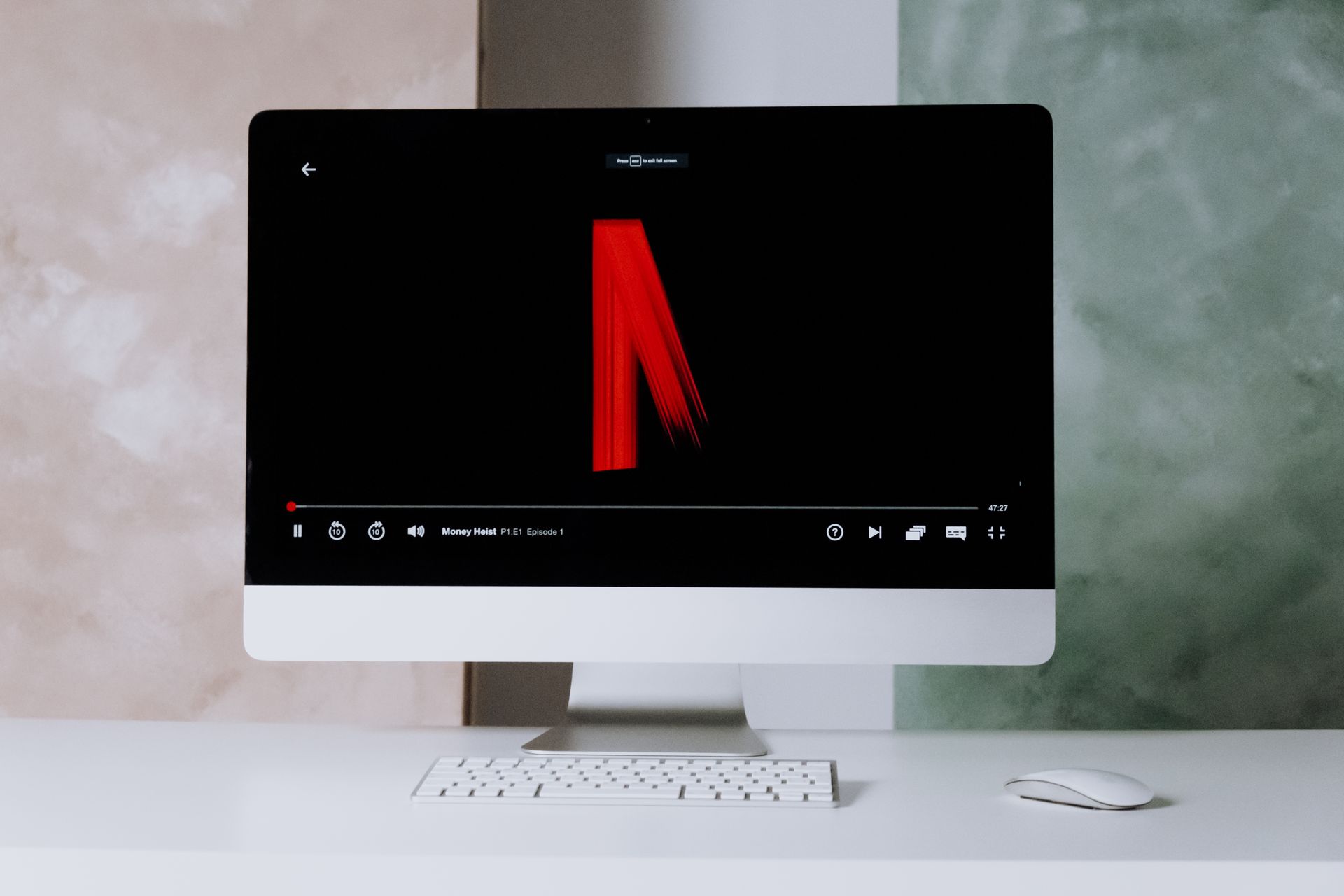
Nothing breaks the mood faster than a spinning loading icon appearing during the best scene of a movie. While reading an Aether TV show review, you might get excited to press play, only to spend more time staring at buffering than the actual episode. The good news is that streaming problems often have simple causes. A few small adjustments can make a noticeable difference. You don’t always need a faster internet plan. Sometimes your current setup simply isn’t performing at its best. Before blaming the streaming platform, it’s worth checking a few things at home. The solution may be easier than expected.
Move Your Router to a Better Location

Wi-Fi signals behave more like light than magic. Thick walls, large furniture, and even household appliances can weaken the connection before it reaches your streaming device. Placing the router in a central, open area usually improves coverage. Small changes in location can produce surprisingly better results. Avoid hiding the router inside cabinets or behind televisions.
Those spots may look tidy, but they often reduce signal strength. Higher placement also helps distribute Wi-Fi more evenly across the house. Good positioning costs nothing and often delivers immediate improvements. If your home has multiple floors, think carefully about where the router sits. A poor location can create dead zones that affect streaming quality. Better placement helps maintain a stronger connection throughout the house. It’s one of the easiest upgrades you can make.
Reduce Network Traffic During Streaming
Every connected device shares part of your internet bandwidth. Phones, tablets, game consoles, and smart home devices can quietly consume data in the background. Large downloads or cloud backups running at the same time may affect video quality. Streaming becomes much smoother when unnecessary traffic is reduced. Take a quick look at what else is using your network. Pausing software updates or large file transfers during movie night can free up valuable bandwidth.
Even automatic photo backups can make a difference. A quieter network usually delivers a steadier stream. Many modern routers also allow you to prioritize certain devices. Giving your streaming device higher priority helps maintain consistent performance. That feature can be especially useful during busy evenings. Everyone still stays online, but video playback gets first access.
Choose the Right Streaming Quality

Higher resolution looks fantastic, but it also requires more bandwidth. Streaming in 4K on a slower connection can increase buffering. Switching to 1080p or even 720p may create a much smoother experience. In many living rooms, the visual difference is surprisingly small. Most streaming platforms allow you to adjust playback quality manually. Experiment with different settings instead of always choosing the highest option.
Smooth playback often feels better than sharper video interrupted every few minutes. Consistency wins. Keep in mind that screen size matters too. A smaller tablet or phone may not benefit much from ultra-high resolutions. Choosing the right quality balances picture clarity and performance. That’s a smarter approach than chasing the highest number.
Keep Your Devices and Apps Updated
Streaming apps receive regular updates that improve performance and fix bugs. Using outdated software may lead to compatibility issues or slower playback. Installing updates keeps everything running more smoothly. It also improves security. The same applies to streaming devices and smart TVs. Firmware updates often include network improvements that reduce interruptions. Restarting devices occasionally can also clear temporary glitches. A few minutes of maintenance can save hours of frustration later.
Buffering doesn’t always mean your internet service is the problem. Router placement, network traffic, streaming quality, and software updates all play important roles in delivering a smooth viewing experience. The next time you settle in for a movie or series, the only thing spinning should be the opening studio logo.…











 This app wasn’t trying to be the next mega social network. It was more like a digital hangout where everyone showed up as a cartoon version of themselves. That’s why it still feels warm. You’re not chasing followers; you’re chasing a chuckle. It’s the internet’s softer side, back when things were less intense. On a desktop setup, the vibe gets even more “lean back and enjoy.” The text is easier to read. The animations feel smoother when they’re not cramped. And the whole thing becomes a comfort snack, like rewatching an old Nintendo Direct with the volume a bit too loud. You’ll probably say, “I forgot this was fun,” and you’ll be right.
 Miitomo’s Q&A system was a genius concept in disguise. It basically served conversation starters on a plate and let your friends react. No essays. No debates. Just short prompts that make you laugh or overshare a little. It’s like a party game that lives in your pocket. On a computer, answering feels faster and less fiddly. Typing is easier. Scrolling through responses is cleaner. You also get to enjoy the reactions and voice lines without feeling like you’re speed-tapping on a commute. It turns into a chill “check-in” app, the kind you open for ten minutes and leave with a grin.


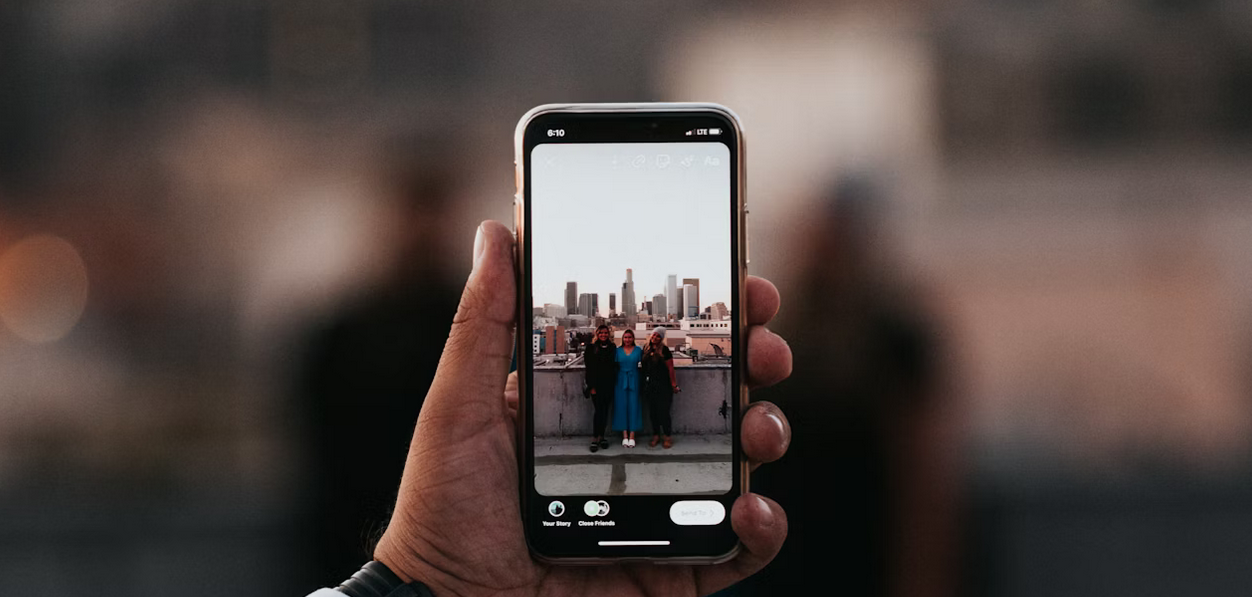 Android phones often pack wild camera specs. Bigger sensors. Higher megapixels. Fancy zoom tricks. On paper, they look unbeatable. In practice, Instagram does not always respect that power. Many Android devices rely on their native camera apps to shine. Once footage enters Instagram, compression can hit harder. Fine details soften. Shadows may crush. That can feel unfair after spending serious money. Some newer Android models have improved app-level integration. Results vary by brand and update cycle. A Pixel may behave differently from a Samsung, even on the same app version. That inconsistency frustrates creators who want repeatable results.



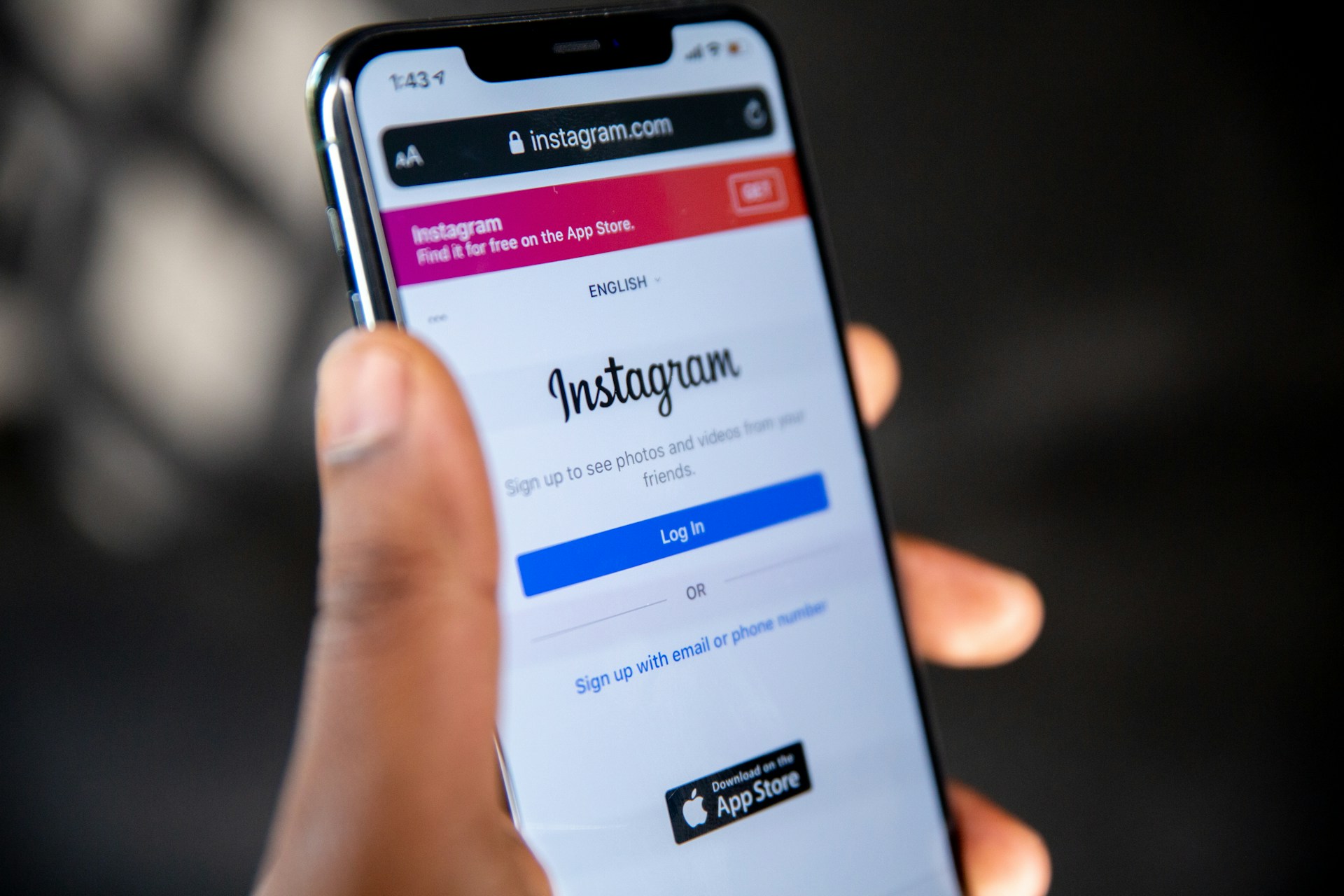
 Instagram watches for activity that looks out of sync with normal human behavior. For instance, liking 200 posts in 30 seconds is a dead giveaway. No human thumb works that fast—not even on caffeine. This rapid pacing is one of the strongest signals their system uses to spot accounts acting in automated ways. Another thing Instagram tracks is account growth. If an account gains followers at a strange speed, the AI assumes something automated is involved. Natural growth tends to be a bit uneven. Spikes that look manufactured create immediate suspicion. Think of it like someone suddenly running a marathon after three years on the couch—odd enough to raise an eyebrow.
 Instagram also checks for content signals. Some bots leave behind repeated phrasing or weird language rhythms that don’t match typical human writing. This includes strange punctuation, repetitive hashtags, or posts that sound like an alien reading a dictionary. These things might seem small, but they help the AI determine authenticity. Photo signals matter too. Many fake accounts reuse the same stock-style images—different accounts, same faces. Instagram’s AI recognizes these similarities quickly. Think of it like meeting twins you didn’t know existed—something doesn’t quite add up.
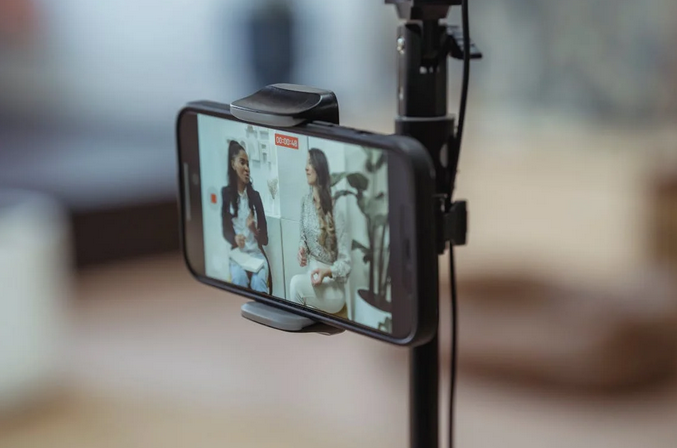
















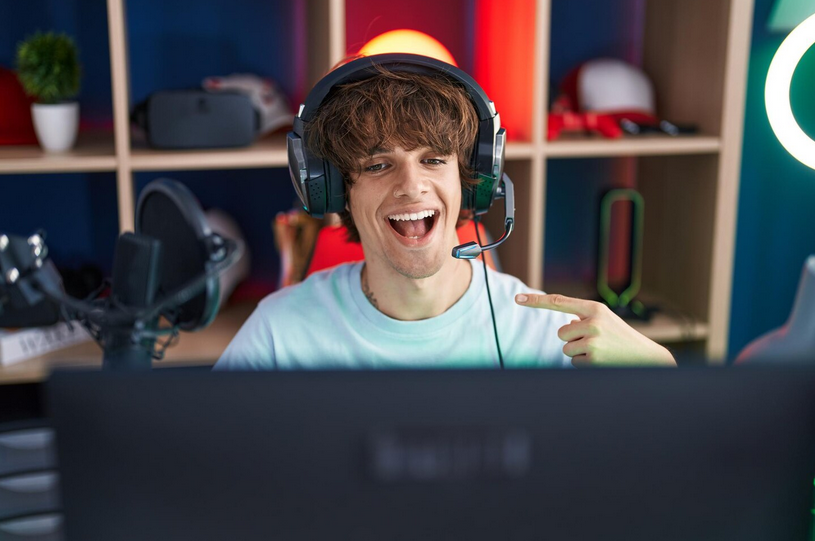
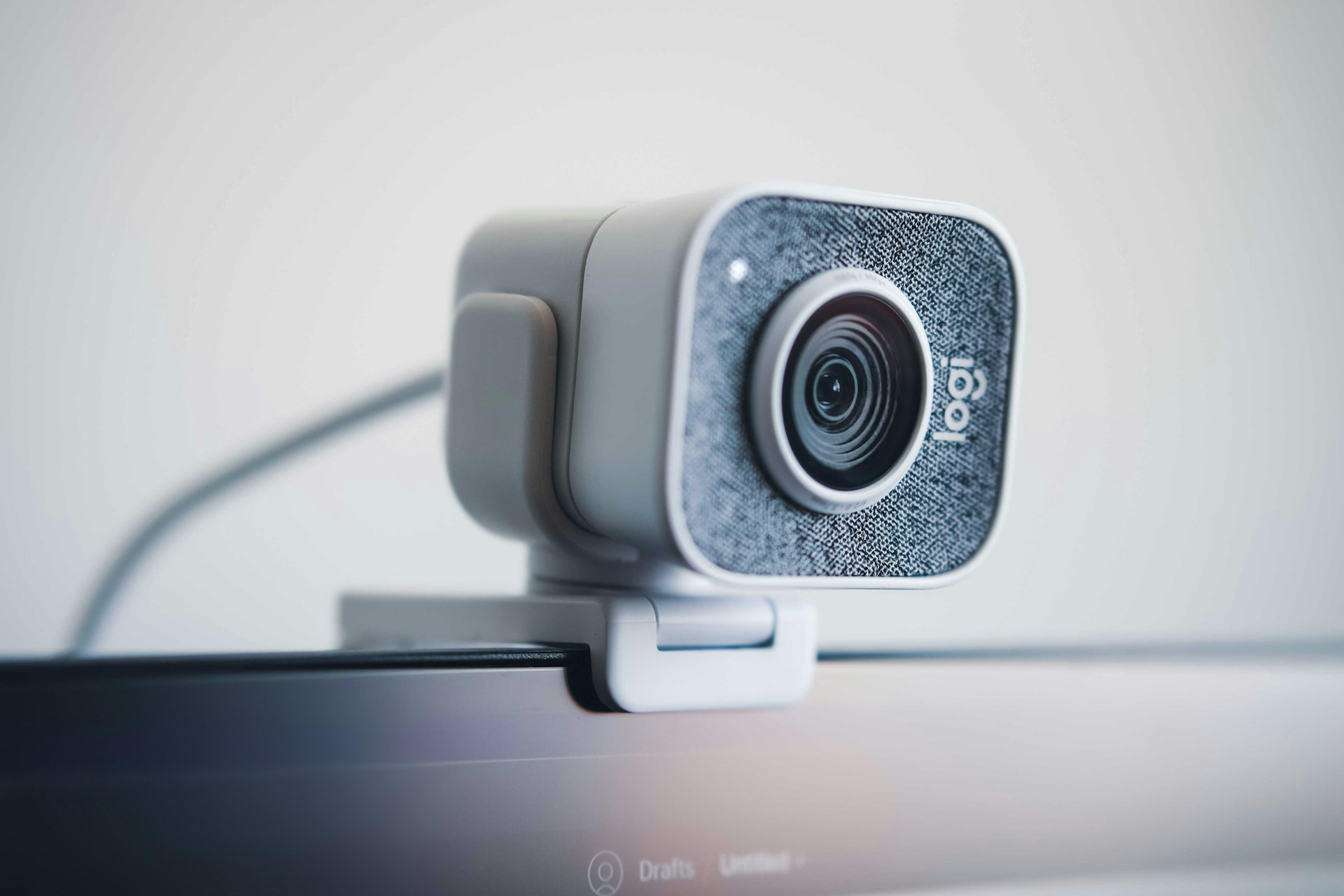 For new streamers, a reliable webcam is the simplest way to start. Popular options like the Logitech C920 or C922 still hold up, offering clear video at 1080p. They’re portable, easy to set up, and won’t weigh heavily on your budget. Some creators underestimate webcams, assuming they lack quality. But with decent lighting, a good webcam can rival mid-level cameras. Many top YouTubers actually started with one before upgrading. Plus, webcams integrate smoothly with most streaming software. That means less fussing around with drivers and more time focused on creating content people actually want to watch.
 If you plan to upgrade beyond USB mics, an audio interface is your bridge. Devices like the Focusrite Scarlett Solo let you connect XLR microphones to your computer. They provide stronger sound control and a more natural tone. For beginners, this step isn’t mandatory. But those interested in growing long-term will appreciate the flexibility. Interfaces also support instruments and other inputs, handy if your content blends music with streaming. Accessories also help polish your setup. A pop filter cuts out distracting “p” sounds, and an arm stand keeps your mic steady.…


 When selecting a VPN for your employees’ devices, one of the critical factors to consider is the encryption protocol used. Opting for a VPN that employs weak or outdated encryption protocols can leave your data vulnerable to cyber threats and breaches. Advanced encryption standards like AES-256 are considered industry best practices for ensuring robust security. These protocols scramble data in such a way that only authorized parties can access it, safeguarding sensitive information from prying eyes. On the other hand, outdated or weak encryption methods may be easier for hackers to infiltrate, putting your company’s confidential data at risk.
 I mean, who doesn’t love something free? But let me tell you. When it comes to protecting your employees’ devices and sensitive information, free VPNs may not be the best option. Free VPN subscriptions often come with limitations that can impact the overall security and performance of the service. These limitations could include restricted bandwidth, slower connection speeds, and even data logging practices that compromise user privacy. Moreover, many free VPN providers rely on selling user data to third parties as a way to make money. This raises concerns about the level of confidentiality and trustworthiness these services offer.…
 Virtual Reality (VR)
 Are you tired of experiencing lag and buffering issues when streaming movies online? Having your favorite movie interrupted by constant pauses and loading screens can be incredibly frustrating. While various factors can contribute to this problem, one potential solution is updating your device to optimize its performance. Make sure that both your operating system and streaming app are up-to-date. Developers often release software updates that include bug fixes and performance improvements. By keeping your device’s software current, you may notice a significant boost in streaming speed.

 Finally, SEO offers an exceptional return on investment. SEO campaigns are not only cost-effective, but they also generate a high ROI in the long run. This is because once your website starts ranking higher in search engine results pages, you will see a steady increase in organic traffic and leads for your business. This will lead to more conversions and, ultimately, more sales. Additionally, the results you gain from SEO campaigns are long-lasting and will provide your business with steady traffic for years to come. In conclusion, SEO is the most cost-effective marketing strategy available today due to its scalability, long-term results, targeting capabilities, and exceptional return on investment.




 Online Search engine optimization can be described as a process of customizing your website based on search engines’ algorithms to rank sites. Thus, website owners are expected to keep optimizing their websites using the best practices as they look to enhance their rankings. SEO encompasses a wide range of components, which continue to change with time.